The True Cost of Unprotected Stadium Equipment (And How Custom Covers Help)
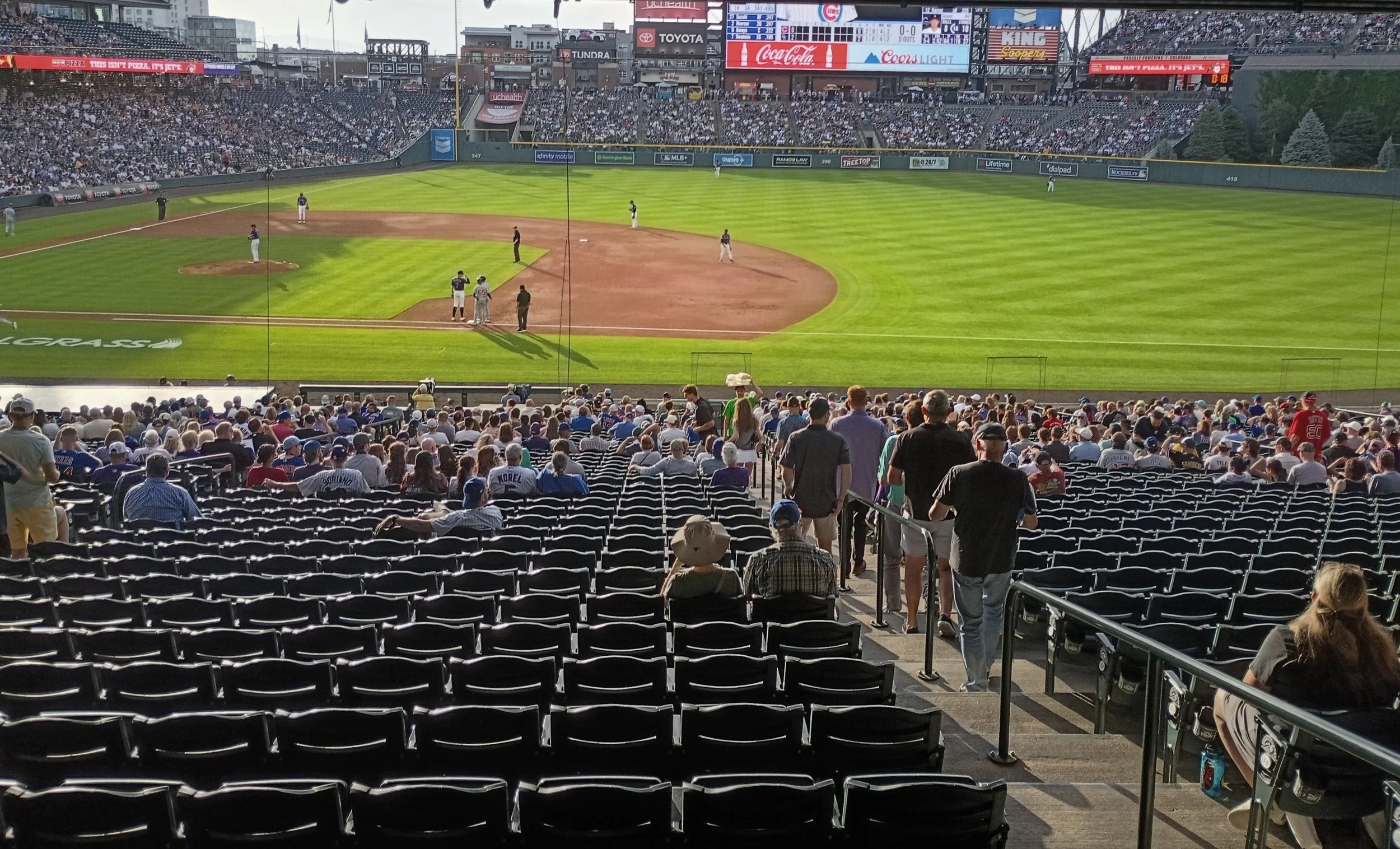
Imagine this: you’re a stadium facilities manager making your rounds the morning after a night game. While the sun shines brightly overhead, it points out glaring problems: digital monitors streaked with grime. A concession cart with graffiti in permanent marker on its surface. A DJ booth with moisture built up from an unexpected shower the night before.
None of these issues are catastrophic on their own. A dirty screen can be cleaned; a DJ booth can be replaced. But when you add all these things together, it can become a pain point for stadium owners and operators, eating into profits and giving fans the wrong impression. Today, we’re asking a question nobody is asking until things go wrong: what is the true cost of leaving stadium equipment unprotected?
First, we’re diving into what needs protection, before giving you an overview of what replacements can cost. From there, we’ll explore the hidden costs that no one budgets for and what a cover investment looks like in comparison. Finally, we’ll give you an overview of exactly what to consider when ordering custom stadium covers.
The Stadium Equipment at Risk
There are three major categories of equipment that we will cover today—here’s a rundown of each along with what makes them vulnerable in a stadium environment:
Concession Kiosks and Carts — These high-traffic assets are often outdoors or semi-exposed to the elements. In addition, they are subject to food residue, moisture, vandalism, and daily wear.
DJ Booths and AV Equipment — This electronic equipment represents a serious investment, and is often positioned in open-air environments with no overnight protection—meaning constant exposure to the elements that could damage fragile electronic parts.
Electronic Kiosks, Digital Monitors, and POS Systems — These sensitive electronics are often placed in high-traffic spaces that can easily lead to damage, not to mention the risk of intentional tampering and graffiti.
What Stadium Equipment Replacement Actually Costs
Investing in stadium equipment and assets is no small financial endeavor, but the costs don’t end there. Once the carts, kiosks, and digital equipment are installed, there’s still the risk of damage that can lead to early replacement cycles.
The average cost of a ticketing kiosk is between $5,000 and $10,000 to replace, while sound systems and DJ booths often cost between $10,000 to $50,000 on the high end, like those that are fully integrated into stadium facilities. Even concession stands and carts can be a pain point for stadium operators and facilities managers, running from $2,500 to up to $10,000. When the stadium has multiple units of each that are often exposed or semi-exposed to the elements, those replacement costs are multiplied.
The Hidden Costs Nobody Budgets For (and How Custom Covers Can Help)
The replacement costs are only half of the story. When equipment breaks down or degrades, it can cause a cascade of issues for stadium operators.
Downtime — A ticketing kiosk that goes down on game day can affect both revenue and guest experience, but if that kiosk is covered, guests will automatically know that it’s not available and utilize another machine.
Increased Labor — Staff spend valuable time and energy cleaning exposed equipment before and after every event, which adds up over the season. A covered unit requires only a fraction of the same labor.
Accelerated Wear and Tear — Worn and old equipment can give the wrong impression to fans. A cover keeps equipment looking new and pristine long after the elements have done their worst, all while cutting down on maintenance costs.
Vandalism and Tampering — Unprotected equipment in high-traffic public spaces can often become a target of vandalism and tampering, which can create image problems for stadium operators. A cover creates a visual deterrent, often slowing vandalism or stopping it entirely.
What a Custom Stadium Cover Actually Costs by Comparison
In comparison to the costs of early replacement and the hidden costs we pointed out in the section above, custom covers are a fraction of the replacement cost of the unit that they protect. For instance, if a cover can extend the useful life of a $10,000 ticket kiosk by even two years, it pays for itself many times over. And with many well-made covers lasting from five to even ten years, the cost savings of purchasing a cover far outweighs the expense.
There’s also the branding aspect to think about. Custom covers can be printed with brand or sponsor logos for a small fee, allowing operators and facilities managers to passively advertise while keeping equipment protected. This adds marketing value—a cover that carries sponsor graphics or team branding creates impressions, giving you an even better return on investment than a standard cover.
What to Look for When Specifying Stadium Covers
Stadium equipment is rarely standard—a concession cart that was built for one venue’s layout is often a different shape than one built for another. Because of this, stock or generic covers won’t fit properly, and may even accelerate damage. Custom-fit covers, on the other hand, are created to the exact dimensions of what they are covering, with a perfectly protective fit.
Another thing to keep in mind is materials. Open-air stadiums are often exposed to the elements, and equipment often must deal with UV rays and moisture. When spec’ing covers, be sure to choose a fabric that can handle harsh weather conditions. For instance, Equip utilizes a 600D marine-grade polyester for outdoor covers, which is rated to handle not only moisture and sunshine, but also mold and mildew as well.
It’s also imperative that a custom cover is easy to use—installation and removal should take no more than a moment or two. This isn’t a once-in-a-season item; it goes on and comes off for every event, and ease of use will determine the difference between a cover that sits in storage and one that is utilized for every game day and event.
The final consideration is what type of manufacturer to choose: domestic or overseas. While there are certainly benefits to going with overseas manufacturers, there’s also drawbacks, such as long lead times, poor communication, and the lack of ability to prototype or check fit. When a cover is needed in the middle of the season, a domestic manufacturer could have it ready in a matter of days, while you may be stuck waiting for weeks to months with an overseas manufacturer.
Reframing Custom Stadium Cover Investments
Let’s go back to our opening scenario: you’re a facilities manager walking the concourse the morning after a particularly rowdy game. Despite that, every piece of equipment looks pristine: covered, clean, and exactly as it was left the night before.
The covers may cost money, but so does everything else that keeps a stadium running. The difference is, covers pay for themselves.
FAQs
-
In an outdoor or semi-outdoor stadium, almost every piece of equipment can be at risk, but those that are most at-risk fall into the following categories:
· Concession stands and food carts
· DJ booths and other AV equipment
· Electronic kiosks, digital monitors, and POS systems
-
The cost of replacing damaged stadium equipment can be astronomical in comparison to the cost of custom covers for protection. Concession carts and food stands can cost anywhere from $2,000 to $10,000. DJ booths and sound equipment can be upwards of $10,000 to $50,000, while electronic ticketing kiosks can be $5,000 to $10,000.
-
Custom covers improve the overall fan experience in a variety of ways. Not only do they clearly communicate downtime to fans, but they also prevent wear and tear that can give the wrong impression.
Get a Quote for a Custom Stadium Cover
Looking for custom covers engineered for the demands of stadium and outdoor environments? Equip designs and manufactures commercial-grade covers built specifically for real-world venue conditions.
📧 Email: info@equipinc.com 📞 Call: 719-599-0300
Request a quote today and keep your assets covered, protected, and ready for anything.