How to Start a Mall Kiosk in 2026: A 7 Step Beginner’s Guide
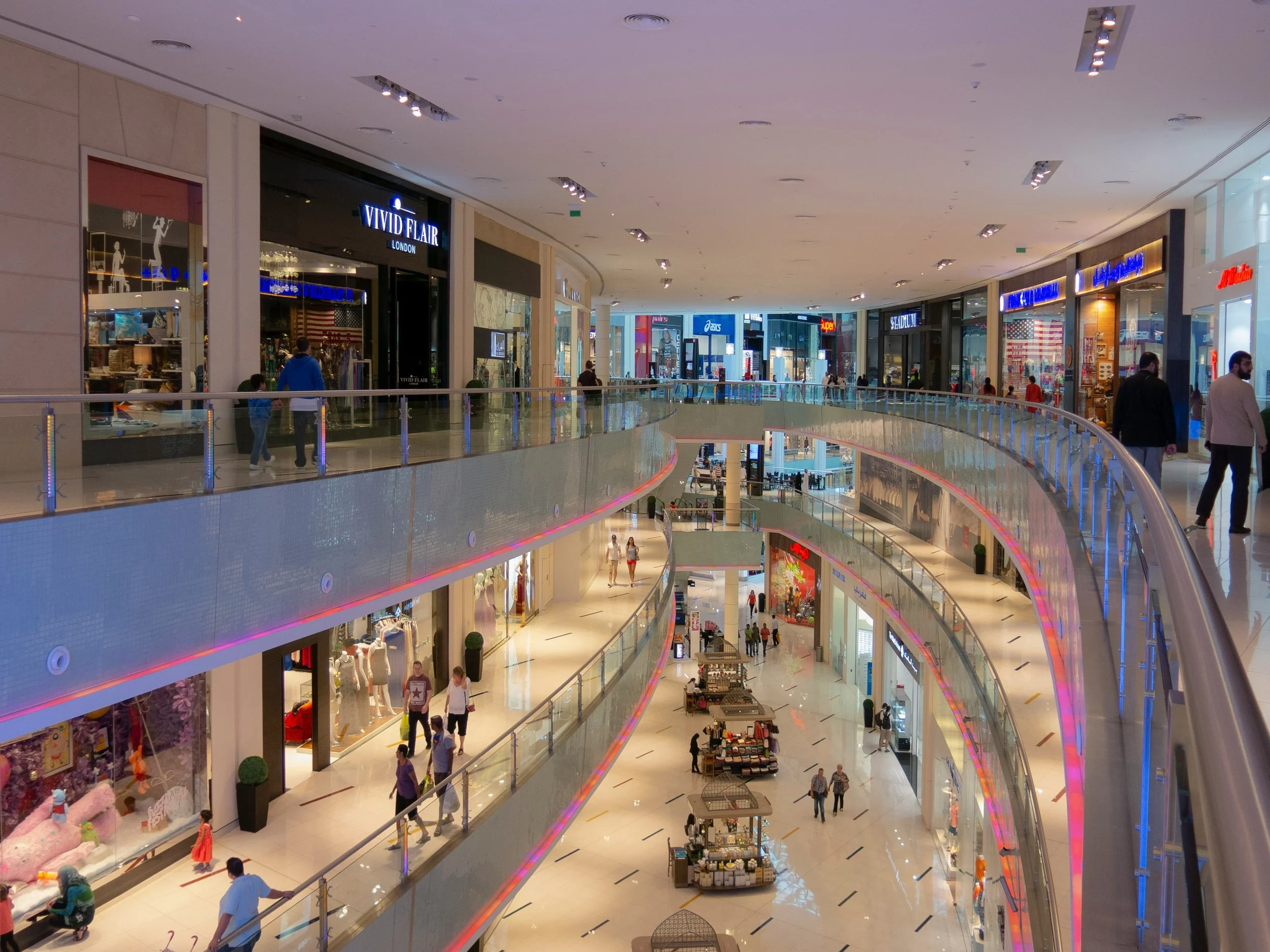
After years of uncertainty in malls and shopping centers, malls and open-air shopping centers making a comeback as foot traffic recovers in many markets. As malls begin filling their spaces with new concepts, first-time business owners are discovering what kiosk owners have known for some time: a mall kiosk or RMU is one of the accessible ways to start your own business and get into the retail space.
Opening a brick-and-mortar storefront can require tens of thousands of dollars, but mall kiosks have a much lower threshold for entry, ranging anywhere from $2,000 all the way to $8,000 for more complicated designs. Shorter leases mean less long-term risk, all while giving you the benefits of a physical retail presence and built-in foot traffic to help you test out your product and brand before expanding.
But just because the barrier for entry is lower doesn’t mean there’s not much work required: like any other business, successful kiosks are started with clear thinking, realistic budgets, and attention to detail.
Today, we’ll be diving into everything you need to know about opening a mall kiosk in 2026. From choosing your product to designing your display to selecting after-hours protection, we’ve got you covered.
Step 1: Choose the Product or Concept for Your Mall Kiosk
Before you purchase your kiosk or begin speaking with a specialty mall leasing manager, it’s important to know what you’re selling. If you already have a product that you want to sell, such as handmade jewelry, a skincare line, or custom apparel, you’re ahead of the game.
If you haven’t chosen your product yet, spend some time observing kiosks in the mall where you’re looking to set your shop up. Watch where people stop, what they pick up, and most importantly, what they buy. This kind of market research will help you to understand buying habits of mall consumers better, allowing you to choose the product that will work best for your business.
Step 2: Research Your Target Mall & Location
Not all malls are created equally, and the choice of location makes a big difference in terms of your success. Typically, malls are grouped into tiers. Top tier malls are usually found in large metro areas. Because they typically attract premium brands, they often have higher lease rates. Mid-tier and regional malls have less traffic but also require less overhead.
In any mall, location is everything. High-traffic spots usually lie near department stores, food courts, or main entrances. Because these locations cost more than less trafficked locations, you’ll need to know how much volume you expect to sell to justify the extra expense.
During your initial visit to the mall, ask yourself a few questions:
· Are there similar vendors already here?
· What’s the demographic of the shoppers here, and does it match the product I’m trying to sell?
· At what locations do shoppers normally stop and walk?
While you’re there, request a meeting with the mall’s specialty leasing team. This team manages kiosk and RMU (Retail Merchandising Units) placements and they can answer your questions.
Step 3: Understand Your Mall Kiosk Leasing Options
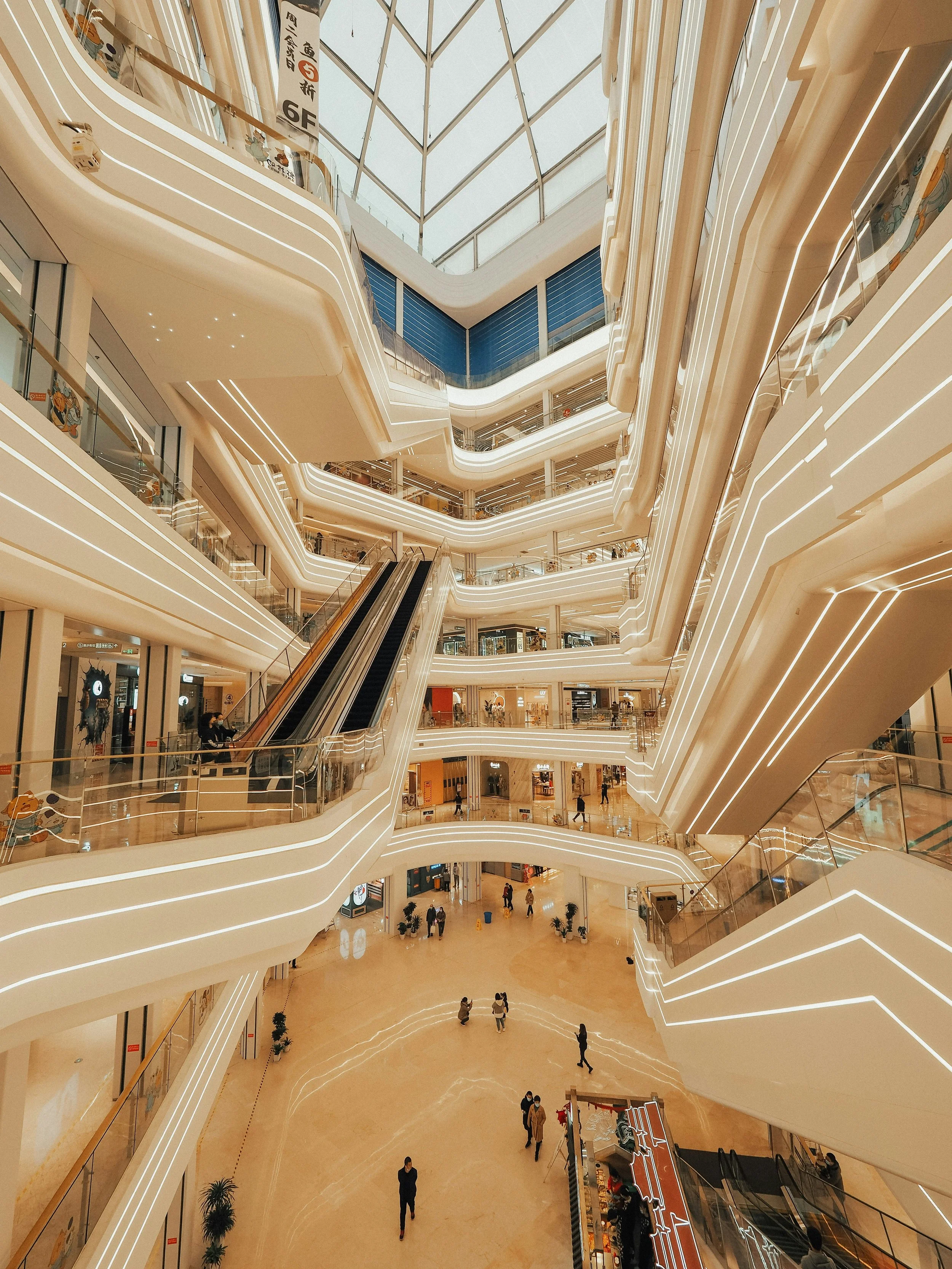
You might be wondering: what’s the difference between a kiosk and an RMU?
A kiosk is a freestanding structure, usually with the goal of selling goods or services or providing information. Kiosks can be set up in a multitude of ways and typically consist of modular components that can be moved at will. In most cases, kiosks are owned by the people who run them, rather than by the mall itself. Typically, kiosk owners rent floor space, not the kiosks themselves, allowing them the freedom to do pretty much anything they want with their kiosk setups.
An RMU, on the other hand, stands for Retail Merchandising Unit, which are typically of a smaller size and usually have consistent models that are seen throughout malls. Unlike kiosks, RMUs are usually owned by the malls themselves and are rented out by specialty leasing managers.
Leasing structures may vary, with short-term or seasonal leases being the shortest and best for testing a concept and annual agreements being the longest. Typically, the longer the lease term, the better rates you’ll get along with better location security.
Step 4: Write a Simple Business Plan & Budget
While you don’t need to draft up an entire plan for the next decade of your business, it’s a good idea to have a simple plan in place.
A simple one-page business plan is a good way to think through your mall kiosk concept clearly, and it’s important to have because some specialty leasing managers will want to see something in writing before approving your rental application. Your plan should cover the basics, including what you’re selling, who your target customers are, how you expect to generate revenue, and how you’ll price your products.
It’s also important to track expenses and create a budget that includes:
Inventory
Kiosk or RMU fixtures
Lease deposit and first month's rent
Signage and branding
POS system
After-hours security — more on this in Step 6
There are also legal and administrative things to keep in mind, like registering your business, obtaining a sales tax permit, and opening a business bank account. Many locales also have their own small business development centers, like the Pikes Peak SBDC here in Colorado Springs, that can help you to learn more about setting up your own small business.
Step 5: Design & Set Up Your Kiosk
A kiosk is a storefront, and the way it looks and feels is a direct extension of your brand.
For fixture options, you can purchase a pre-built kiosk or RMU, lease one through the mall, or have a custom unit built. Custom fixtures allow you to have the most control over the look and feel of your display, but they also come with higher upfront costs.
To make your display look enticing, try to utilize visual merchandising fundamentals, like varying heights to create visual interest, keeping your most attractive products at eye-level, utilizing clear and readable signage, and not cluttering your display.
Lighting is an underrated tool in retail, and well-lit products look better and stand out from a distance. It’s not a bad idea to invest in good display lighting—it can end up paying for itself.
Step 6: Protect Your Kiosk Investment After Hours
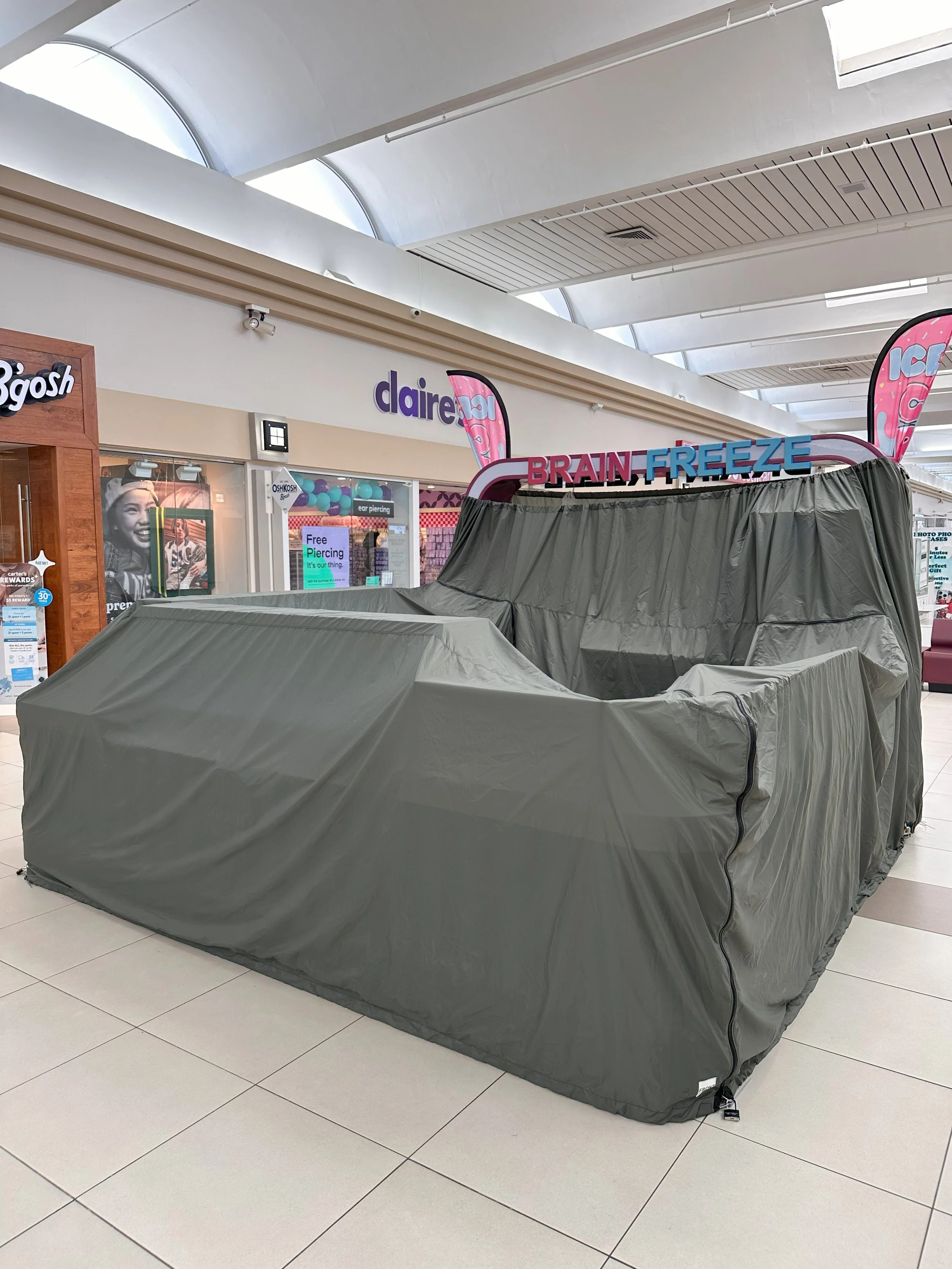
What’s the point of going through all this set-up and hard work if someone can just come through the mall after-hours and destroy everything you’ve built? This is a fear for many mall kiosk owners—when the mall closes and staff go home, kiosks and RMUs can be unattended for up to 12 hours each night. Losses from theft, vandalism, and unintended damage can have a significant impact on your business, especially if you’re not protecting your kiosk after hours.
Instead of letting your hard work become vulnerable, install after-hours security like a custom kiosk cover. These custom-fitted fabric covers are specially-designed and manufactured to fit the exact dimensions of an RMU or kiosk, and they also come with features like lockable zippers and security cables to keep your merchandise protected. In addition to protecting your products, they also help prevent dirt and debris from building up, and are easy to pull off each morning and put on each night.
For example, when Brainfreeze Ice Cream opened their kiosk at Coral Ridge Mall, they needed a solution that protected their counters and equipment each night without adding complexity to their daily open and close routine. A custom cover from Equip did exactly that.
At Equip, we've been making custom kiosk and RMU covers for mall operators for over 25 years — supplying more than 600 shopping malls across the U.S. Every cover we make is built to your exact dimensions, from commercial-grade materials, with features like lockable cables and optional logo printing so your brand is visible even when you're closed.
Step 7: Market Your Kiosk
Now that your kiosk or RMU business is set up and going, it’s time to investigate ways to make your business more successful and sustainable. Passive foot traffic is what will get people to walk past, but marketing is what gets them to intentionally seek you out.
Even in a physical retail environment, digital presence still matters. Running an Instagram or TikTok page that shows off your products, your process, and your personality, can drive actual visits from people who discover you online and then come find you at the mall.
Here are some more marketing tips for kiosk owners:
Brand visually: Shoppers decide in a few seconds on whether they want to stop, and investing in a nice logo, professional signage, and organized displays can help communicate what you sell in just one glance.
Capture emails: Place a QR code at your kiosk linking to a sign-up form for your email list, along with a small incentive to join, like a free coupon or small gift. Email is a valuable marketing channel for promotions and holidays, and it can keep past customers coming back.
Market even when you’re closed: A logo-printed kiosk cover keeps your brand visible overnight and before opening. This passive marketing also helps to protect your merchandise.
How to Protect Your Mall Kiosk After Hours
A mall kiosk is often filled with thousands upon thousands of dollars worth of merchandise, and those valuable items deserve protection. A custom lockable kiosk cover can act as a barrier against thievery and tampering, allowing you to breathe easy at night knowing that your kiosk is protected. Because kiosk covers are visual barriers, they tell anyone who would want to tamper with your merchandise that it’s off-limits, making it harder to access.
Plus, kiosk covers couldn’t be easier to install each morning and remove each evening. Rather than having to take all of the items off the shelf at the end of the day, just pull a cover over and go about with the rest of your closing duties.
It’s Time to Start Your Mall Kiosk
Opening a mall kiosk is one of the easiest ways to step into business ownership without betting everything on a long-term lease or a physical location. When you have the right product, a good location, a realistic budget, and a plan for protecting what you build, you’ll be set up to succeed.
Once you're ready to open, one of the last (and easiest) things to check off your list is protecting your kiosk after hours — that's where we come in. We’ve helped hundreds of malls and kiosk owners to successfully protect their businesses with custom RMU and kiosk covers, and we’d love to help you as well. Check out our “Get a Quote” page for FAQs and to get an estimate for your next custom kiosk cover.
FAQs
-
Investing in a mall kiosk is much cheaper than starting a brick-and-mortar store, and can cost anywhere from $2,000 and $8,000, not including the costs of purchasing products and equipment like a POS and signage for your business. A kiosk is one of the most affordable ways to enter physical retail, and many operators recoup their startup investment within their first holiday season.
-
Yes, but the requirements are simpler than most people expect. Before you open, you’ll need to register your business, obtain a sales tax permit, and get an insurance policy to cover general liability. In some cities or counties, you’ll also need to a general business license in addition to state registration. If you’re unsure, ask your mall’s leasing team for more information.
-
This is one of the most overlooked questions that new kiosk owners need to be asking themselves. When the mall closes, your kiosk may sit unattended for 12 or more hours each night, and without proper protection, your merchandise is left vulnerable to theft, vandalism, and damage.
The most practical and widely used solution among professional kiosk operators is a custom-fitted, lockable kiosk cover. Unlike generic tarps, a purpose-built cover is custom-fitted to your kiosk or RMU, lockable via commercial-grade locking zippers, quick to use, and branded with your logo, so that your name is visible even after hours.
At Equip, Inc., we've been manufacturing custom kiosk and RMU covers for mall operators across the country for over 25 years. Every cover is made to order, built from commercial-grade materials, and shipped ready to use.
-
Mall kiosks typically contain thousands of dollars worth of merchandise, and covering them up is the easiest way to provide a visual deterrant that will make it harder for people to steal or tamper with your merchandise. Covering up a kiosk with a custom lockable kiosk cover can provide the security that you need during the off-hours.
-
Mall kiosks come in all shapes and sizes, which is why it is so important to order a custom RMU or kiosk cover during the early stages of your mall kiosk career. In order to secure it, you just place the cover on, zip it up, lock it, and go about your day.
Launch Your Kiosk Business Today
Thinking about launching your kiosk business? Don’t forget to protect your investment.
📧 Email: info@equipinc.com 📞 Call: 719-599-0300
Request a quote today and keep your assets covered, protected, and ready for anything.