
How to Protect Concession Carts Between Stadium Events
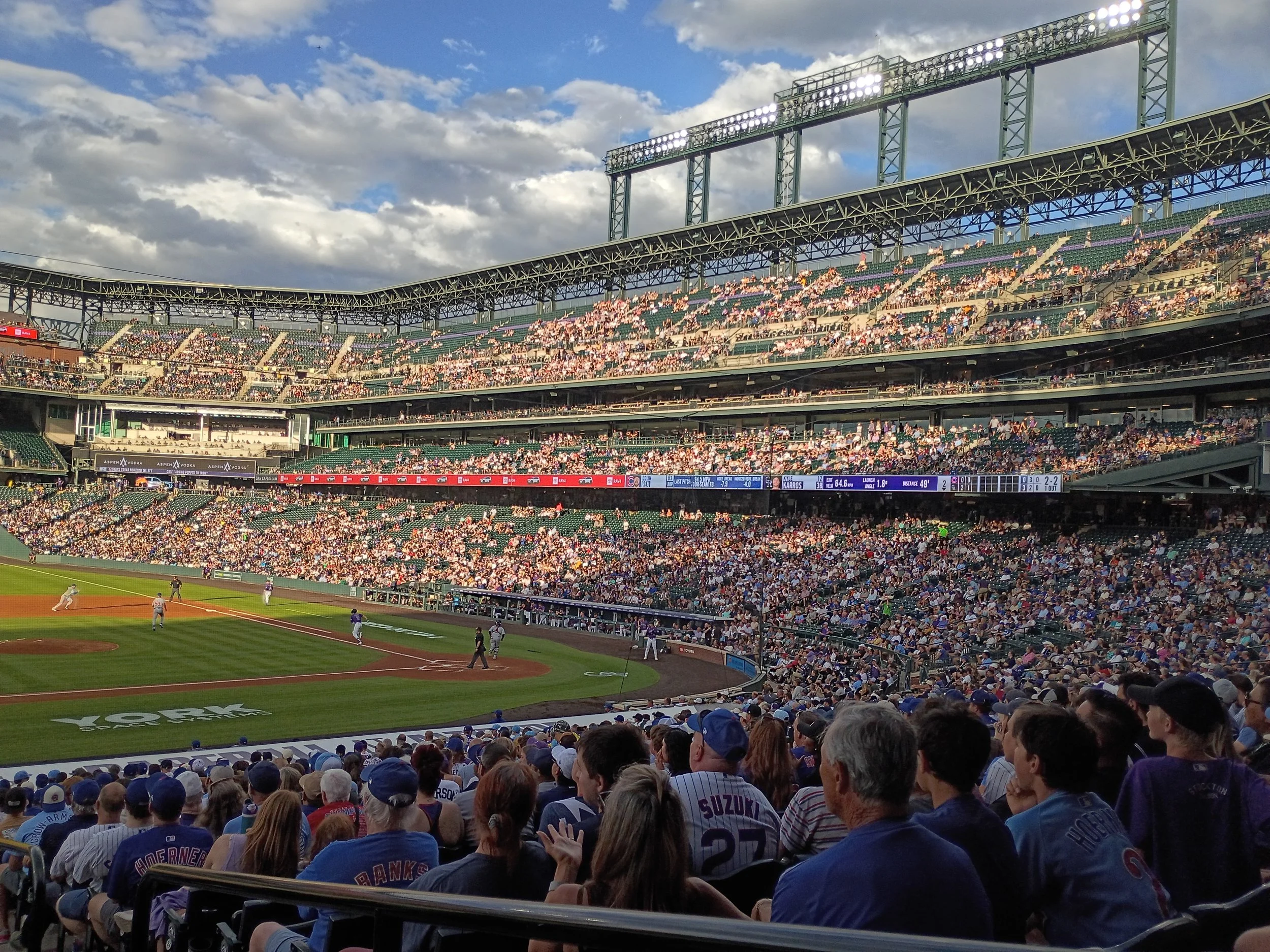
The cost of replacing a commercial concession cart, like those found in stadiums and venues, can vary between $2,000 and $5,000. When you multiply that across an entire stadium, which can consist of ten carts of more, that’s up to $50,000 in concession equipment alone. That’s not even factoring in the costs associated with a cart going out of service during an event or the labor associated with sourcing and installing a replacement on a tight event calendar.
Most facilities managers and food and beverage operators know these numbers already. But what doesn’t get looked at is what’s happening to the carts between events and whether there is adequate protection during those periods.
This article helps to answer those concerns. We’ll explore what concession carts face in a stadium environment, how much it can cost when that exposure is not addressed, and how custom covers can help to swing the math back into the black for stadium facilitators and operators.
The Exposure Concession Carts Face in Stadiums
While there are many forces that act on concession carts to cause degradation, wear, and breakdowns, there are a few specific types of exposure that facilities managers should be on the lookout for, such as:
Daily and Event Wear and Tear: Concession carts are not just utilized during events—they’re also moved, bumped, and pushed near other equipment during teardown. With that kind of repetitive physical contact, there is a toll on surfaces, finishes, and hardware, especially over a handful of seasons.
Food Residue and Beverage Spills: Even the best-run concessions operation has spills and residue. If that residue is not fully cleaned between events, it can degrade finishes and create conditions for bacterial buildup.
UV and Weather Exposure: For stadiums that are located outdoors or in semi-enclosed areas, the sun’s rays are a powerful means of degradation. UV exposure can fade graphics, weaken the surface of finishes, and cause overall material deterioration. A concession cart may look pristine at the beginning of the season, but can look worn by the end of it when there’s no protection between events.
The Risks of Storage: Concession carts are often moved to storage areas between events or during the off-season. However, storing equipment comes with its own risks, such as dust accumulation, contact with other stored equipment, and environmental exposure that can make a cart look old and worn down.
What it Costs When a Cart is Unprotected
Replacing commercial concession carts can be pricey. As we mentioned before, it can run anywhere from $2,000 to $5,000 to purchase a new cart, and that’s not even accounting for downtime during replacement, the lost revenue from a cart that’s out of service, and the labor that’s involved in installing a new unit. Repair costs can also eat away at budgets, especially when it’s for preventable damage like surface deterioration, hardware replacement, and graphic restoration. Oftentimes, the cost of repairs can be nearly as much as a replacement cart.
Equip works with several concession cart manufacturer to craft custom covers for carts during spec and rollout, rather than after the fact. When you order covers alongside your concession carts, you have a different point of view than someone who allows damage to occur before they’ll think about protection. It’s a proactive mindset versus a reactive one—and in high-traffic venues and stadiums, a proactive mindset can save operators thousands of dollars each year.
What to Look for in a Concession Cart Cover for Stadiums
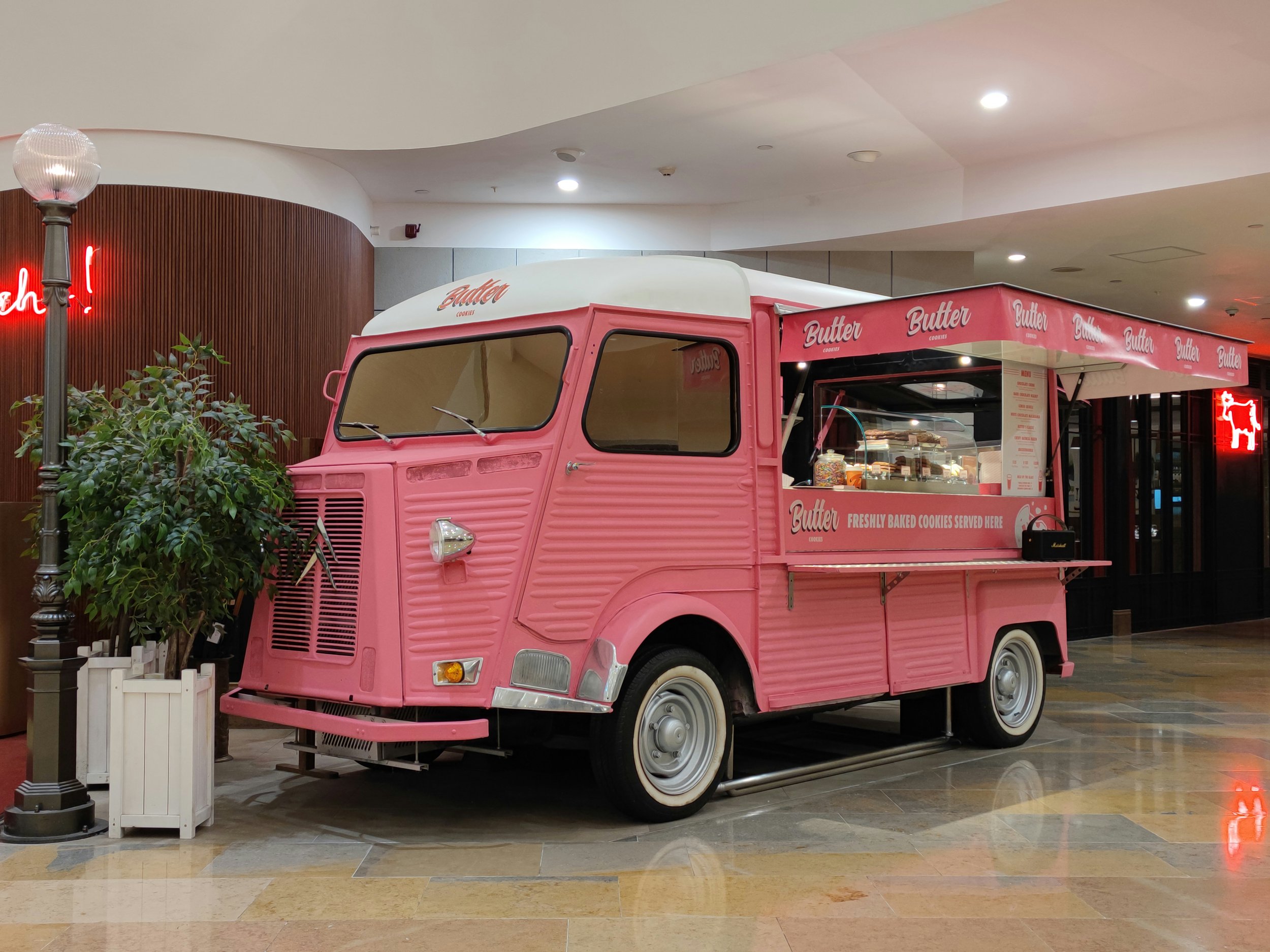
Concession cart covers are not all made alike. In fact, low-cost stock or generic covers often do not provide adequate protection in between events or during the off-season. Look for custom-made covers that feature the following to maximize protection and savings:
Customized Fit: A cover that’s manufactured from the start to the exact dimensions of the cart will protect the surface without gaps or bunching. A generic or stock cover will not fit correctly, leaving exposed areas that can make carts vulnerable, even with protection.
Commercial Grade Materials: A material that can handle the combination of UV exposure, moisture, and daily wear that a stadium concession cart faces across a full season is a necessity. Lighter fabrics may wear out faster than the cart that they are protecting.
Ease of Use: A cover that’s difficult to put on and take off is one that won’t get used consistently, so look for covers that come with accessories that make installation and removal easier, like separating zippers and security cables.
Branding Opportunities: A concession cart cover is not just a protective asset—it can also be used to promote your brand. A cover with team colors, sponsor logos, or even event branding can turn a piece of protective equipment into a visible, passive advertisement of your brand.
Lockable Features: Even if theft and overnight vandalism are not your primary concern, a lockable cover adds another layer of security to your concession carts, preventing unauthorized access to equipment and merchandise.
Build Protection into Your Concession Carts from the Start with Custom Covers for Stadiums
The most successful stadium operators and facilities managers are not waiting for damage to occur to order covers for their stadium concession carts. Instead, they are building cover specifications into the process from the very beginning. There are a few advantages to this approach. First, the cover is built exactly to the specs of the cart, meaning it will fit perfectly with no gaps. Second, there’s no wait time between the cart arriving and its protection. Finally, the cost is absorbed into the initial expense rather than becoming an unplanned maintenance expense later on.
If you’re a stadium operator who is managing fleets of concession carts across multiple stadium locations, making covers standard means that every cart is protected consistently, with no mismatches, no gaps in protection, and no carts that fell through the cracks.
Stadium Covers: More than Damage Control
One event can put a concession cart through its full cycle: setup, heavy use, teardown, and storage. When a stadium has forty events throughout the year, the concession carts can be put through the same cycle forty times. The wear that accumulates over time, whether from degradation or damage, can put a lot of strain on a concession cart, and a custom-fitted cover can be the difference between a cart that makes it through multiple seasons or one that needs to be replaced in one or two.
When you multiply that damage across a fleet of ten or twenty carts, custom covers look less like an investment and more like a necessity. The operators who build protection into the process from the very start are thinking ahead—and saving stadiums money in the end.
Ready to rollout your custom cover program? Request a quote today.
-
Yes, covers can be made with mesh panels or cutouts that allow air and ventilation to flow properly, without damaging the cart itself. Equip has made covers for many refrigerated units in the past.
-
The typical lead time for custom covers from Equip is 3-4 weeks, though it may vary depending upon the current production schedule. To ensure you get your covers before or during the rollout of the cart program, order at least 6 weeks prior to your start date.
-
Yes, all Equip covers can be repaired if they get damaged.
Get a Quote for a Custom Stadium Cover
Looking for custom covers engineered for the demands of stadium and outdoor environments? Equip designs and manufactures commercial-grade covers built specifically for real-world venue conditions.
📧 Email: info@equipinc.com 📞 Call: 719-599-0300
Request a quote today and keep your assets covered, protected, and ready for anything.